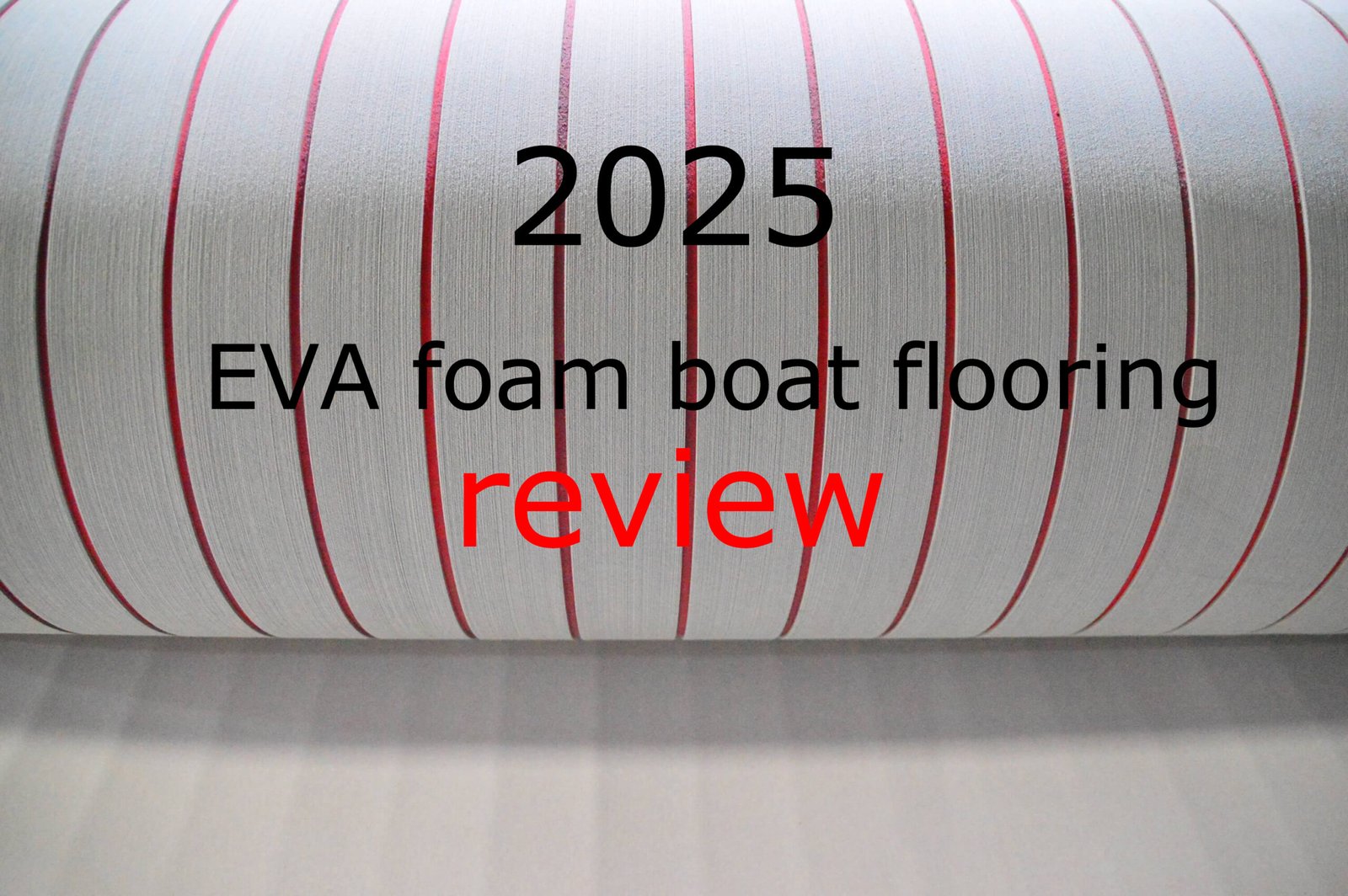
2025 EVA foam boat flooring review

EVA foam boat flooring is gaining popularity in the boating industry. Whether it’s anglers, yacht owners, or outdoor adventurers, this lightweight and versatile material is rapidly replacing traditional decking options. However, reviews of this product have been mixed.
Advantage
1. Excellent Slip Safety
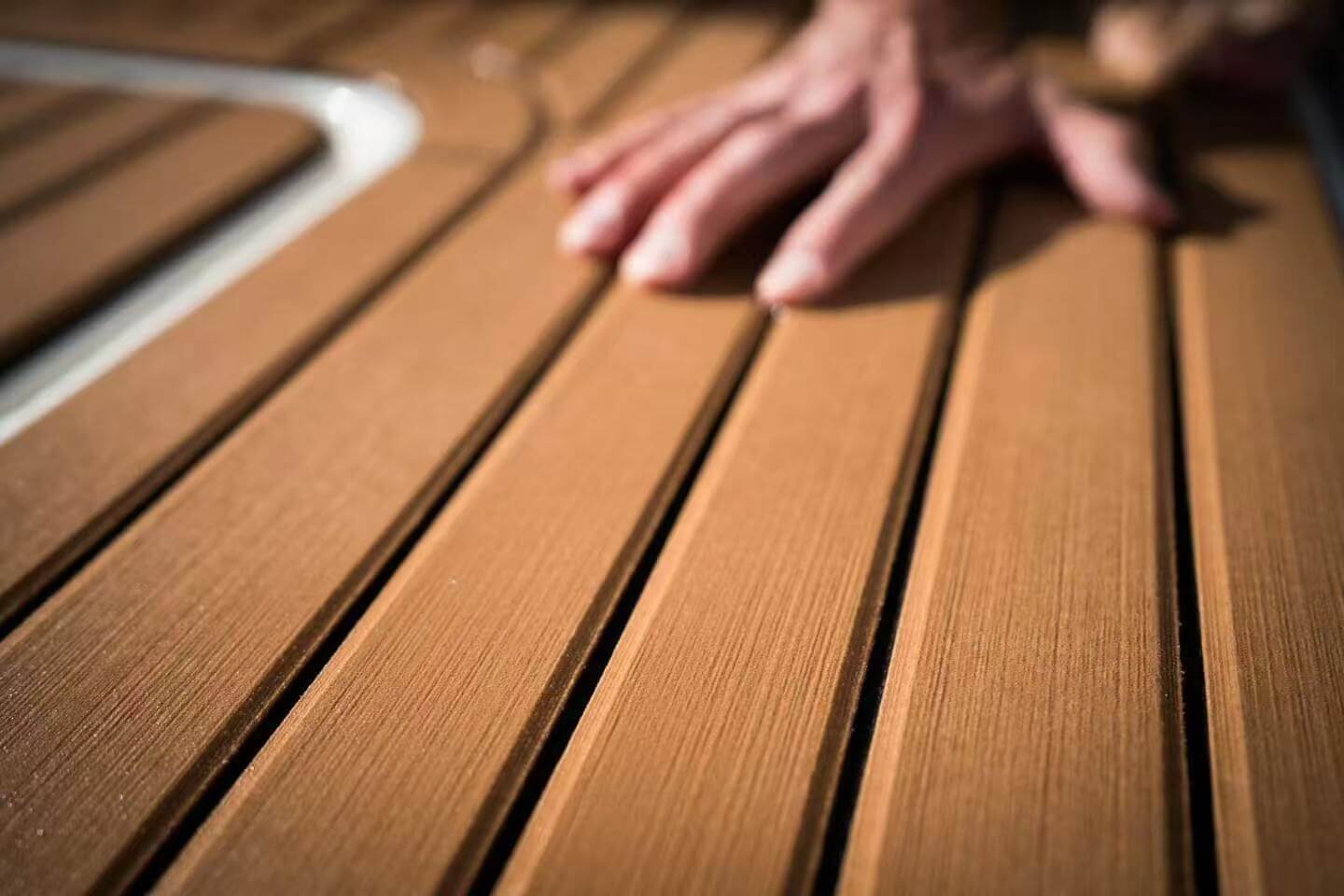
The textured surface provides a secure grip even in harsh water-spattered environments, significantly reducing the risk of slipping.
The specially treated surface increases friction, eliminating the risk of slipping and falling, even when walking in slippers.
Reliable footholds are essential for safety when the deck is rocking.
2. Excellent Durability and Resistance to Environmental Damage
Modern EVA foam boat marine flooring is fully optimized for the harsh marine environment:
UV Resistance: Laboratory tests show that high-quality EVA floor mats can withstand over 2,500 hours of UV exposure without yellowing or cracking, demonstrating excellent weather resistance. Some products even boast over 3,000 hours of UV resistance.
Waterproof and Moisture-Proof: The closed-cell structure is non-absorbent, moisture-resistant, and water-resistant. It will not deform or degrade even after prolonged exposure to seawater.
Corrosion Resistance: It is resistant to seawater, oils, grease, acids, alkalis, and other chemicals. It is antibacterial, non-toxic, odorless, and non-polluting.
3. Easy Installation and Flexible Adaptability
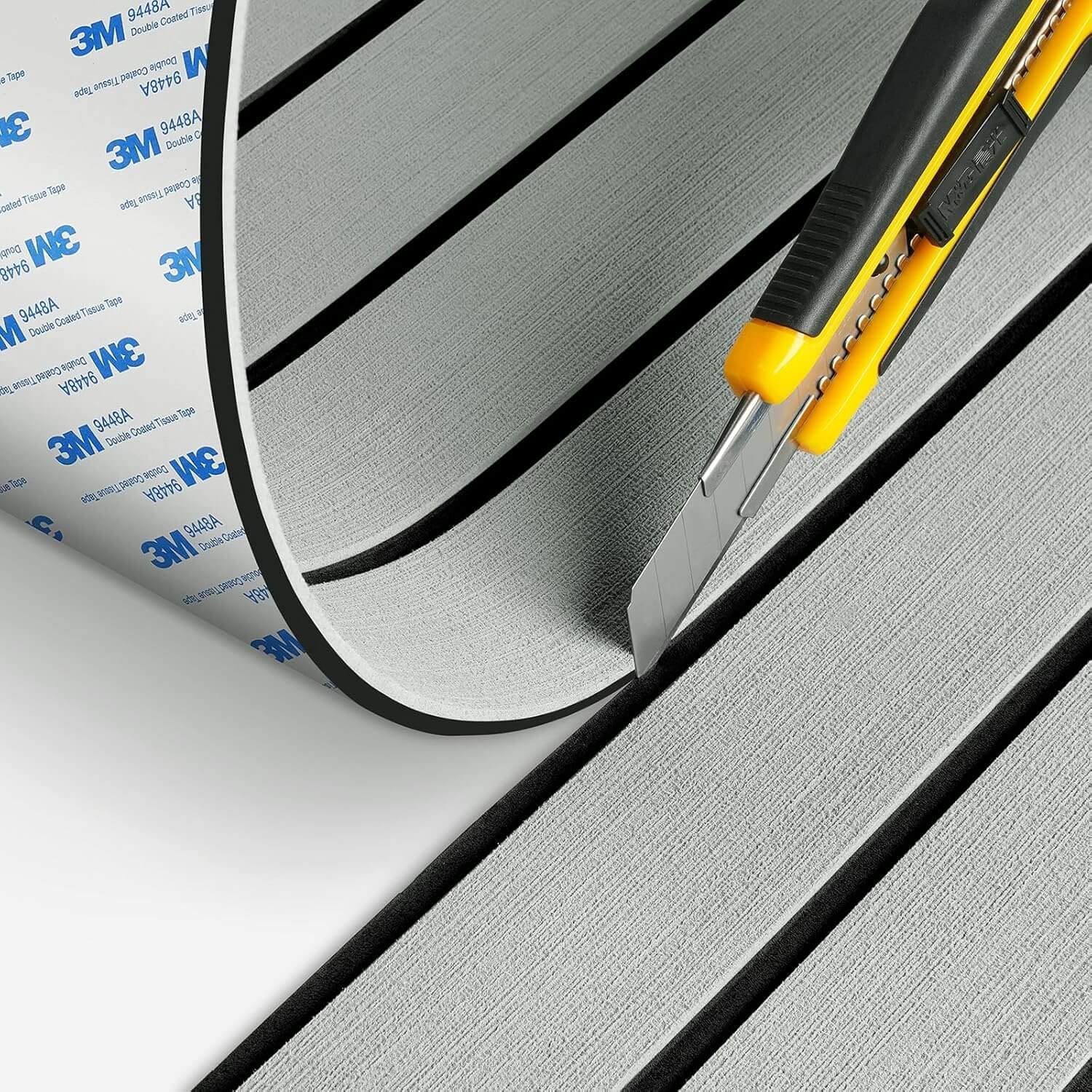
The 2025 EVA foam boat flooring offers a significantly improved installation experience. Its modular design makes installation simple, requiring no specialized tools or skills, allowing boat owners to easily complete the installation themselves.
These floorings can be customized to suit the exact shape and size of your deck, perfectly adapting to any area, from a regular rectangle to an irregular one.
The high-strength adhesive backing allows for secure application by simply peeling off the protective layer, significantly reducing installation effort and time.
4. Comfort and Versatility
The inherent cushioning properties of the EVA material make standing for extended periods more comfortable, making it easier for anglers to avoid foot fatigue after hours of fishing.
This flooring is suitable not only for yachts, fishing boats, and speedboats, but also for RVs, campers, and outdoor decks.
Shortcoming
1. Limited High-Temperature Resistance
While EVA foam boat flooring performs well in most environments, its resistance to high temperatures and open flames remains limited. Prolonged exposure to open flames or hot metal objects (such as near barbecue grills) may cause localized melting or deformation.
It is recommended to maintain a safe distance around high-temperature equipment or consider using specialized heat-insulating mats for additional protection.
2. Aesthetics Still Difference from Real Wood
Although the teak-look series closely resembles real teak in appearance, with a delicate and natural texture, for boat owners with extremely high aesthetic standards, EVA flooring may still not be able to completely replace the unique texture and luxurious feel of natural wood.
3. High Requirements for Substrate Flatness
EVA flooring can adapt to slightly uneven deck surfaces, but if the deck has significant bumps or oil stains, it will affect the adhesion and lifespan.
Before installation, the deck must be thoroughly cleaned and sanded as necessary to ensure optimal adhesion. Foreign matter on the surface may cause air bubbles and unevenness.
4. Durability Issues
Continuous exposure to strong sunlight and inclement weather can significantly reduce the product’s useful life, especially if it falls apart.
5. Inconsistent Quality in the Market
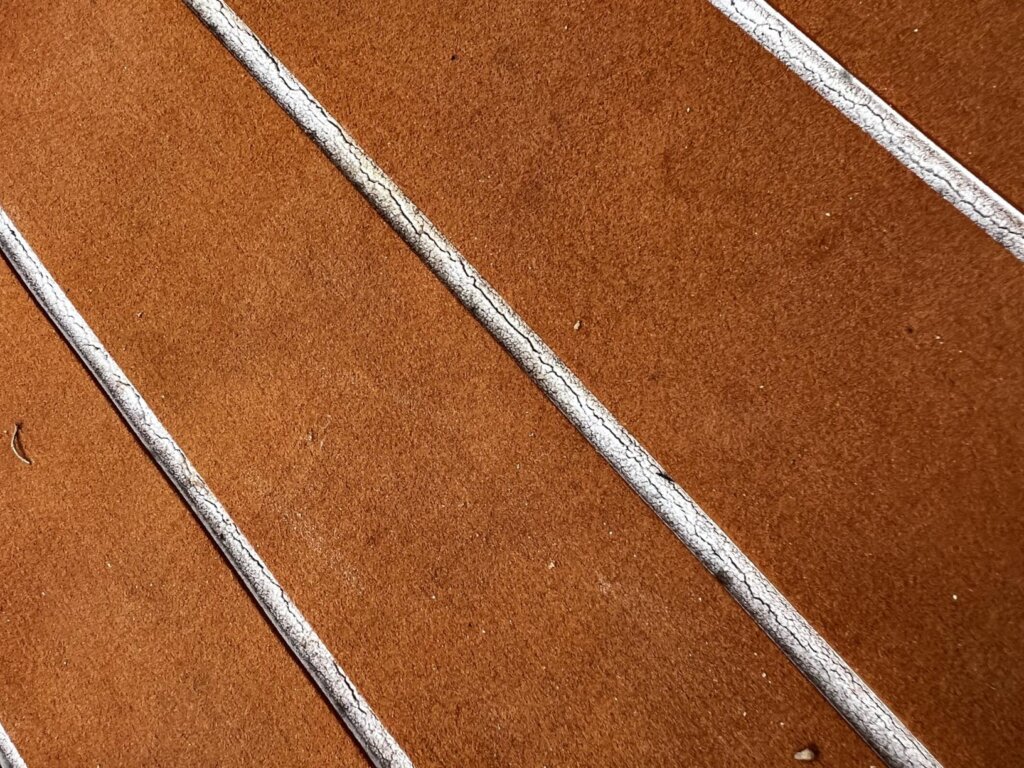
With the surge in popularity of EVA marine flooring, a wide range of products of varying quality have emerged on the market. Some low-priced, low-quality products fail to meet marine standards in terms of thickness, density, and durability. This can lead to powdering, which not only affects the appearance but is also difficult to clean and can easily accumulate water, leading to slips.
Consumers should choose carefully to avoid losing out on the big picture.
Summary and Recommendations
In conclusion, EVA foam flooring has both advantages and disadvantages. Nothing is perfect, and choosing high-quality EVA foam boat flooring and proper maintenance are crucial to avoiding problems.
EVA foam boat flooring has evolved from a temporary alternative into a professional solution that combines aesthetics, practicality, and durability. Especially in 2025, it has seen significant improvements in anti-slip performance, UV resistance, and lifespan.
If you prioritize a safe, comfortable, and low-maintenance boating experience while saving on installation time and subsequent maintenance costs, EVA foam boat flooring in 2025 is undoubtedly a worthwhile investment.
Especially for fishing boat, family yacht, and RV owners, the safety and comfort this flooring provides make it one of the most worthwhile pieces of equipment to add to your boat this year.
Choose the right EVA flooring to make every water adventure safer, more comfortable, and more elegant.
Key parameters
Material Density and Thickness: High-quality mats are typically 4-6mm thick with a density ≥0.8g/cm³. Too thin and they collapse easily; too soft and they offer poor support.
Anti-slip Coefficient: A qualified product should have a static friction coefficient ≥0.7 and a wet coefficient ≥0.5 to ensure safety in aquatic environments.
UV Resistance Rating: According to international standards, a mat must pass at least 1000 hours of accelerated aging testing (ISO 4892-2) to be considered truly “UV resistant.”
Drainage Hole Design: High-quality products feature honeycomb-shaped drainage channels or microporous structures on the bottom to quickly drain rainwater/seawater and prevent water accumulation.